When selecting a rifle, understanding the differences between bolt-action and semi-automatic systems is crucial. Each rifle type offers distinct advantages depending on your application, whether it’s hunting, target shooting, or tactical use. Below is an in-depth discussion on their precision and performance characteristics.
Precision
Bolt-Action Rifles:
– Renowned for their exceptional accuracy due to their simpler mechanics.
– The solid lock-up mechanism reduces movement during firing, minimizing vibrations and improving shot-to-shot precision.
– Fewer moving parts means less mechanical noise, which is beneficial for hunters trying to remain stealthy in the field.
Semi-Auto Rifles:
– While modern semi-auto rifles have significantly improved in accuracy, they generally lag behind bolt-actions in terms of absolute precision at long ranges.
– The semi-auto mechanism introduces additional vibrations due to the cycling of the action, which can slightly affect shooting consistency over long distances. – Ideal for rapid follow-up shots when minor adjustments are acceptable.
Performance
Bolt-Action Rifles:
1. Simplicity of Design: Fewer moving parts make bolt-action rifles more mechanically reliable and easier to maintain over time. 2. Loading Capacity: Typically feature lower magazine capacities (usually 3–5 rounds), making them less suited for high-volume shooting scenarios. 3. Rate of Fire: Slower rate of fire since each round must be manually cycled by operating the bolt.
Semi-Auto Rifles:
1. Speed Advantage: Semi-auto rifles offer much faster follow-up shots as they automatically chamber the next round upon firing. 2. Loading Capacity: Options for higher-capacity magazines make these rifles better suited for tactical scenarios or competitive shooting events. 3. Versatility in Application: Often preferred for varmint control or situations requiring multiple shots on target within seconds.
Use Cases
| Rifle Type | Best Applications | Key Advantages |
| Bolt-Action | Long-range hunting (e.g., elk, deer), precision target shooting | Superior accuracy, reliability |
| Semi-Automatic | Tactical environments, competitive shooting events, small-game hunting (e.g., varmints) | Higher rate of fire, faster follow-up shots |
Ergonomics
Both rifle types differ significantly in ergonomics: 1. Bolt-action rifles often have a more traditional feel with fewer controls to manage. 2. Semi-autos usually feature more customizable designs with modern attachments such as red dot sights or foregrips.
Each shooter must weigh these factors carefully based on their specific needs and intended use cases.
Bolt-Action vs. Semi-Auto Rifles: Where to Buy Rifles Online and Compare Reliability
When selecting a rifle, reliability and long-term performance often determine whether a shooter opts for a bolt-action or semi-automatic platform. Both types of rifles have unique characteristics that cater to specific needs, shooting environments, and maintenance preferences. Below is an in-depth analysis of how these two platforms compare in terms of reliability and durability.
Bolt-Action Rifles:
- Manual Operation: Bolt-action rifles rely on the manual cycling of the bolt to load and eject cartridges. This design reduces the likelihood of mechanical failures caused by fouling or improper cycling.
- Simpler Mechanism: Fewer moving parts result in enhanced durability over time. This simplicity allows bolt-action rifles to perform reliably under challenging conditions such as exposure to dirt, mud, or sand.
- Consistent Chamber Sealing: The locking lugs on a bolt-action rifle create a tight chamber seal, which can improve ignition consistency even when using ammunition with slight variances.
Semi-Auto Rifles:
- Gas System Functionality: Semi-auto rifles use gas-operated or recoil-driven systems to cycle rounds automatically. While efficient, this system can be susceptible to fouling over extended use without proper maintenance.
- Higher Rate of Fire: The ability to quickly fire multiple rounds makes semi-autos ideal for certain scenarios; however, sustained rapid-fire increases the risk of overheating.
- Complex Mechanisms: More components mean more potential failure points compared to bolt-action rifles.
Durability:
| Feature | Bolt-Action Rifles | Semi-Auto Rifles |
| Moving Parts | Minimal | Moderate to High |
| Resistance to Harsh Environments | Superior | Can be compromised |
| Wear Over Time | Slower | Faster due to higher usage rates |
Bolt-action rifles are generally recognized for their longevity due to their robust and simplistic design. Semi-auto rifles may experience faster wear due to increased moving parts but remain dependable when maintained properly.
Maintenance Requirements:
- Require less frequent cleaning.
- Basic field-stripping processes make them easy for owners with minimal experience.
- Less prone to malfunctions caused by accumulated debris.
- Require regular cleaning of the gas system and chamber area due to carbon buildup.
- More complex disassembly steps necessitate familiarity with the rifle’s design.
- Higher likelihood of requiring replacement parts over time (e.g., recoil springs).
Best Uses for Bolt-Action Rifles:
- Long-range precision shooting where consistent accuracy is critical.
- Hunting in rugged environments where exposure to dirt or moisture is unavoidable.
- Scenarios requiring minimal reliance on external factors like lubrication or clean operating conditions.
Best Uses for Semi-Automatic Rifles:
- Tactical situations where quick follow-up shots are important.
- Competitive shooting disciplines that demand faster rates of fire.
- Recreational shooting involving moderate distances and high volumes of ammunition.
Final Thoughts on Selecting the Right Platform
The choice between a bolt-action or semi-auto rifle depends largely on intended use, environmental conditions, and personal maintenance preferences. While bolt-actions shine in terms of simplicity, durability, and reliability under adverse conditions, semi-autos excel in speed, versatility, and efficiency when used appropriately and well-maintained. Each platform brings distinct advantages tailored for specific demands—making it essential for shooters to carefully assess their priorities before making a decision.
Bolt-Action vs. Semi-Auto Rifles: Reliability and Long-Term Performance Comparison
When selecting a rifle, understanding the reliability and long-term performance of bolt-action and semi-auto designs is crucial for making an informed decision. Both types of rifles have their strengths and weaknesses, which can significantly influence their suitability for different applications.
Reliability in Functionality
Bolt-Action Rifles
– Simpler Mechanism: Bolt-action rifles operate with a straightforward manual cycling system, making them inherently reliable. The shooter manually ejects spent cartridges and chambers the next round by manipulating the bolt. This reduces the chances of mechanical failure. – Fewer Moving Parts: With fewer components involved in operation, bolt-action rifles are less prone to malfunction caused by dirt, debris, or wear over time.
– Performance in Adverse Conditions: These rifles excel in harsh conditions such as rain, mud, or snow due to their simplicity.
Semi-Automatic Rifles
– Complex Mechanism: Semi-auto rifles cycle automatically using gas or recoil systems. While faster and more convenient than bolt-actions, they rely on precise timing and multiple moving parts that may be vulnerable to fouling or wear. – Environmental Sensitivity: Dust, dirt, or extreme weather can interfere with semi-auto functionality if not properly maintained. Regular cleaning is essential to ensure reliability. – Higher Rate of Fire: Though faster shooting speeds offer advantages in some scenarios (e.g., competition shooting), this capability introduces additional strain on internal mechanisms during extended use.
Durability Over Time
| Feature | Bolt-Action Rifles | Semi-Auto Rifles |
| Longevity | Often outlast semi-autos due to reduced wear on components | Slightly shorter lifespan due to increased mechanical complexity |
| Maintenance Requirements | Minimal; basic cleaning suffices | Requires frequent cleaning and part replacement |
| Barrel Life | Typically longer due to lower firing rates | Barrel may degrade faster with rapid-fire use |
Maintenance Considerations
- Bolt-action rifles are easy to disassemble and clean thoroughly.
- Semi-autos require more effort for disassembly because of their intricate mechanisms.
- A bolt-action rifle can endure long periods without maintenance while still functioning reliably.
- Semi-auto designs demand consistent cleaning after use — particularly if exposed to dirty environments.
- Bolt-action mechanisms rarely need part replacements under regular use.
- With semi-autos, high-wear parts such as springs and extractors will likely need periodic replacement.
Key Takeaways
Bolt-action rifles emphasize simplicity, ruggedness, and longevity at the cost of slower operation. These qualities make them ideal for precision shooting or hunting in challenging environments where reliability is paramount.
Semi-auto rifles provide higher rates of fire and quicker follow-up shots but require diligent maintenance to ensure consistent performance over time. They are well-suited for tactical operations or scenarios demanding speed without sacrificing accuracy.
By weighing these factors against your specific needs—whether for hunting trips in remote areas or range practice—you can select the rifle type that aligns best with your priorities regarding reliability and durability.
Types of Game: Matching the Right Rifle to Your Hunting Goals
When selecting a rifle for hunting, understanding the type of game you wish to pursue is crucial. Different animals require different calibers, rifle types, and configurations to ensure ethical harvesting and optimal performance. Below is an overview of key considerations for matching the right rifle to your specific hunting goals.
Small Game Hunting
- Recommended Calibers: .22 LR, .17 HMR, or .22 WMR.
- Ideal Rifles: Small-caliber bolt-action or semi-automatic rifles. These offer precision while minimizing overkill on smaller targets.
- Key Features: Lightweight and compact designs make it easier to carry through dense woods or tight spaces where small game resides.
Medium Game Hunting
- Recommended Calibers: .243 Winchester, 6.5 Creedmoor, .308 Winchester.
- Ideal Rifles: Bolt-action rifles are popular due to their accuracy at medium-to-long ranges; however, semi-auto options can be useful in areas where quick follow-up shots may be necessary (e.g., feral hogs).
- Key Features: A scope with adjustable magnification helps with precise targeting at varying distances. Additionally, moderate weight ensures stability without causing fatigue during long hunts.
| Caliber | Effective Range | Typical Use Cases | Rifle Type Recommendation |
| .243 Winchester | Up to 300 yards | Deer and antelope | Bolt-action preferred |
| 6.5 Creedmoor | Up to 500 yards | Long-range deer hunts | Bolt or semi-auto |
| .308 Winchester | Up to 600 yards | Medium-to-large game | Bolt-action recommended |
Large Game Hunting
- Recommended Calibers: .30-06 Springfield, .300 Win Mag, or larger rounds like the .338 Lapua Magnum for long-range precision on rugged terrain.
- Ideal Rifles: Heavy-duty bolt-action rifles equipped with high-quality optics are most effective in these scenarios.
- Key Features:
- High-energy cartridges capable of penetrating thick hides and bone.
- Durable stock materials (e.g., synthetic) designed for harsh environments.
- Muzzle brakes or recoil pads may be considered for high-recoil calibers.
Upland Bird and Waterfowl Hunting
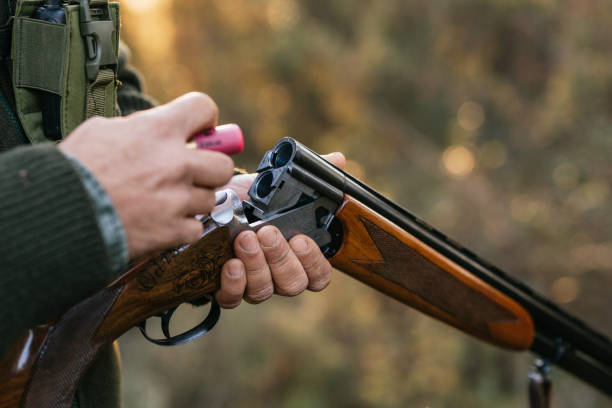
While shotguns are traditionally used for bird hunting due to their spread pattern and short-range effectiveness, some small-caliber rifles may occasionally be used for specialized situations involving upland birds.
Carefully consider the species you’re pursuing alongside your hunting environment when choosing a rifle setup. Matching your rifle’s capabilities with your quarry ensures not only success but also respectfulness toward wildlife through ethical harvesting practices.
Cold Weather Performance: Evaluating Rifles Built for Extreme Conditions
When hunting or shooting in cold weather, having a rifle that is specifically designed or proven to perform under extreme conditions is critical. Cold temperatures can introduce challenges such as material brittleness, lubricant thickening, and reduced battery performance for optics. Understanding these factors and selecting a rifle that excels in cold environments can make the difference between success and failure.
Key Features of Cold-Weather Rifles
- Material Durability: Rifles constructed from high-grade steel or alloy that resist brittleness in sub-zero temperatures are ideal. Synthetic stocks are often preferred over wooden ones due to their resistance to warping.
- Corrosion Resistance: Snow, ice, and freezing rain can accelerate rust formation. Rifles with corrosion-resistant coatings like Cerakote or stainless steel components perform better in wet and icy environments.
- Minimal Lubricant Dependency: Cold conditions cause standard lubricants to thicken, leading to malfunctions. Cold-weather rifles often recommend lightweight synthetic oils specifically formulated not to gum up.
Cold Weather Rifle Recommendations
| Rifle Model | Action Type | Key Features | Notable Strengths |
| Tikka T3x Arctic | Bolt-action | Synthetic stock, phosphate finish | High durability and adaptability |
| Ruger American Predator | Bolt-action | Lightweight design, ergonomic stock | Excellent reliability at low weight |
| Daniel Defense M4 V7 | Semi-auto (AR-15) | Free-floating barrel, coated BCG | Dependable semi-auto functionality |
Each of these rifles has been tested in harsh environments and offers reliable performance despite freezing conditions.
Tips for Maintaining Your Rifle in Extreme Cold
- Use Low-Viscosity Lubricants: Replace standard gun oil with cold-weather-specific options.
- Keep Moving Parts Dry: Moisture can freeze on moving components like the bolt or trigger assembly.
- Avoid Sudden Temperature Changes: Transitioning from a heated area to the outdoors can cause condensation buildup inside your rifle.
- Check Optics Batteries: Lithium batteries work better than alkaline types at sub-zero temperatures.
Testing Your Rifle Before the Hunt
- Test cycling the action with gloves on.
- Fire multiple rounds after leaving the rifle outside overnight.
- Inspect parts for signs of thickened grease or sluggish movement.
Selecting the right equipment and maintaining it carefully will ensure your firearm stays reliable when you need it most during extreme weather adventures.
- Bolt-Action vs Semi-Auto Rifles: A Comprehensive Guide to Buy Rifles Online
- How to Buy Rifles Online and Choose the Best Semi-Auto for Field Performance
- Where to Buy Rifles Online: The Best Picks for 2025
- A Complete Guide to Choosing Beginner Rifles from an Online Store
- Comparing Bolt-Action and Semi-Auto Rifles for Sale: Precision and Performance Insights
- Exploring the Best Bolt Action and Semi-Automatic Rifles for Sale
- Bolt-Action vs. Semi-Auto Rifles for Sale: A Comprehensive Comparison of Pros and Cons
- Where to Buy Rifles Online: Comparing Bolt-Action and Semi-Auto Options for Precision Shooting
